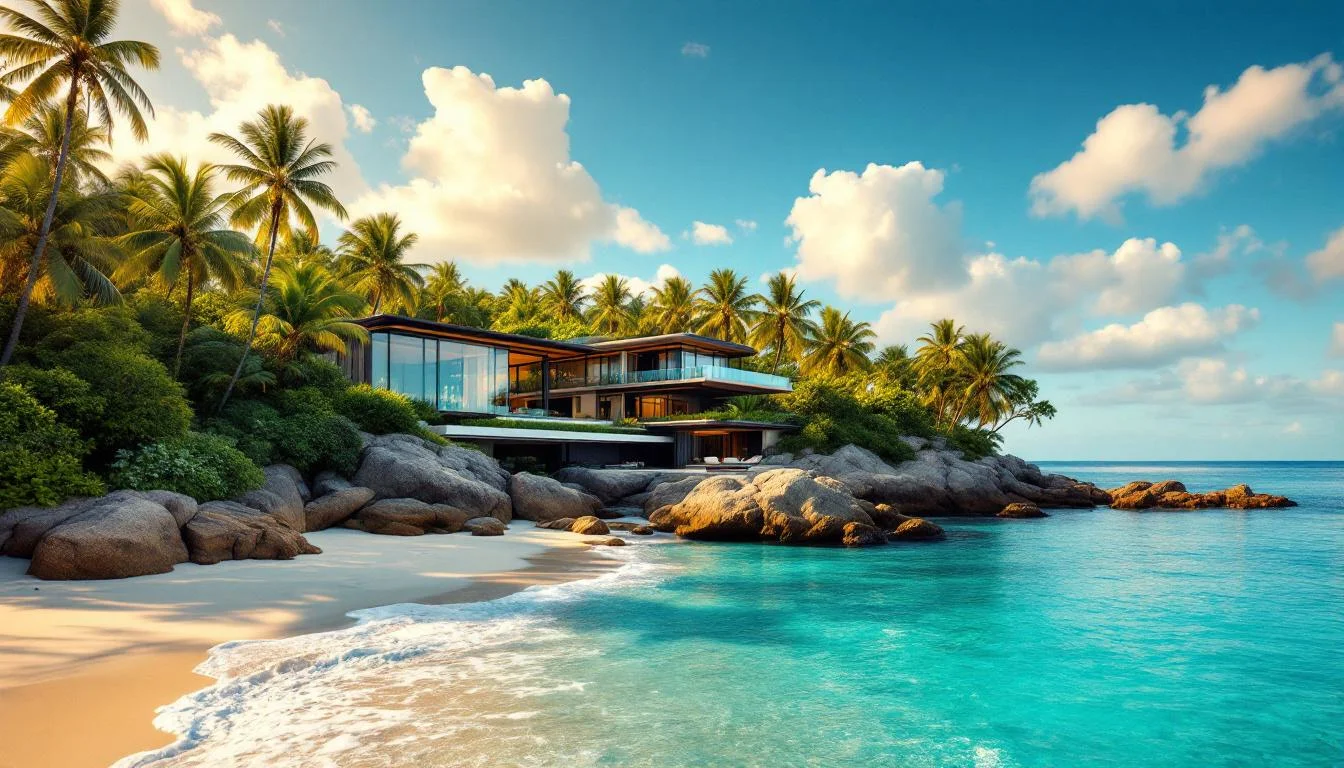
Living in Mauritius
Your comprehensive guide to cost of living, healthcare, education, housing, transport, and daily life as an expatriate in Mauritius.
Mauritius consistently ranks among the top destinations in Africa and the Indian Ocean for quality of life, safety, and ease of doing business. For international families, entrepreneurs, and retirees considering relocation, the island offers an exceptional combination of attributes that is difficult to find anywhere else in the world: tropical natural beauty, political stability and rule of law, modern infrastructure, quality healthcare, excellent international schools, a safe and multicultural community, and a cost of living that is materially lower than comparable destinations in Europe, North America, or Singapore. Studies suggest that the overall cost of living in Mauritius is approximately 33% lower than in the United Kingdom, with accommodation costs up to 70% lower than equivalent UK properties.
Life on the island revolves around a warm, welcoming culture that blends African, Indian, Chinese, and European traditions. The expatriate community in Mauritius numbers approximately 30,000 individuals, with significant concentrations from South Africa, France, Germany, the United Kingdom, and Switzerland. Mauritius has four official languages (English, French, Creole, and Bhojpuri), with English and French dominating business, government, and education.
The climate offers warm winters (May–October, 20–26°C) and hot summers (November–April, up to 32°C), with the cyclone season running December to May. This guide provides a comprehensive practical overview for those planning relocation to Mauritius, covering housing, healthcare, education, cost of living, transport, banking, and social life.
Key Features of Living in Mauritius
Safety & Political Stability
Mauritius is ranked among the safest countries in Africa by multiple global indices. A stable democracy since independence (1968), with an independent judiciary, strong rule of law, and very low rates of violent crime.
Healthcare
Public hospitals are free for all residents and of a reasonable standard. Private hospitals — including Clinique Darné, Apollo Bramwell, and City Clinic — offer international-standard care with modern diagnostic and surgical facilities. Private health insurance is strongly recommended.
International Education
Several international schools offer British (IGCSE, A-Levels), French (Baccalauréat), and International Baccalaureate (IB) curricula. Schools include Northfields International, Clavis International, Le Bocage International, and Lycée La Bourdonnais, among others.
Housing Options
A wide range of housing options from modern city apartments in Ebene and Bagatelle to beachside villas in Grand Baie, Tamarin, and Rivière Noire. Foreign nationals may rent freely and purchase through approved schemes.
Cost of Living
Generally 30–50% lower than Western Europe and Singapore. Groceries, domestic help, dining, and leisure activities are particularly affordable. Premium imported goods, international school fees, and luxury properties are closer to global prices.
Transport
Cars are the primary mode of transport. Roads are generally good. Traffic congestion in Ebene and Port Louis during peak hours is notable. Taxis and ride-share apps are available. A light rail metro line connects Port Louis, Ebene, and Rose Hill.
Banking & Finance
Modern banking sector with major local banks (MCB, SBM, Absa, MauBank) and international banks. Online and mobile banking is well-developed. Foreign exchange is freely convertible.
Lifestyle & Leisure
Year-round warm climate with beaches, hiking, golf courses, water sports (diving, kitesurfing, sailing), yoga retreats, spa facilities, and a vibrant dining and social scene.
Telecommunications
Reliable 4G/LTE mobile coverage across the island. Fibre broadband available in most urban and suburban areas. Multiple service providers including Emtel, MTML, and Mauritius Telecom.
Expatriate Community
Mauritius hosts an expatriate community of approximately 30,000 individuals from South Africa, France, Germany, the United Kingdom, Switzerland, and elsewhere. A thriving expat social scene, international clubs, and professional networks make integration straightforward.
Climate
Winter (May–October): pleasantly warm at 20–26°C with lower humidity. Summer (November–April): hot at up to 32°C, with higher humidity and the cyclone season running December to May. Year-round sunshine with an average of 8+ hours per day.
Activities and Lifestyle
Mauritius offers world-class water sports (diving, surfing, deep-sea fishing, kitesurfing), golf (multiple championship courses), hiking, cycling, and cultural experiences. The island's lagoons are UNESCO-recognised, and Rodrigues Island offers an unspoiled retreat.
Banking
Opening a bank account in Mauritius is straightforward for permit and visa holders. Major banks include MCB (Mauritius Commercial Bank), SBM, AfrAsia, and ABC Banking — all offering multi-currency accounts, online banking, and international payment services.
How to Relocate to Mauritius
Pre-Arrival Planning
We advise on the best areas to live based on your lifestyle preferences, proximity to schools, work, and amenities. We provide area guides covering Grand Baie, Pereybere, Tamarin, Flic en Flac, Moka, Ebene, and other popular expatriate neighbourhoods.
Housing Search
We connect you with trusted property agents and help evaluate rental or purchase options. We advise on typical rental prices, lease terms, and the legal process for purchasing property under approved schemes.
Banking Setup
We assist with opening personal bank accounts at MCB, SBM, Absa, or other banks. We prepare the required documentation and accompany you to meetings if necessary.
School Enrolment
We provide guidance on international school options, fee structures, and admission processes. We help with applications and, where needed, coordinate assessment requirements for your children.
Healthcare Registration
We recommend private health insurance providers and general practitioners in your area. We advise on the private hospital network and specialist availability.
Practical Setup
We assist with obtaining a local driving licence (conversion from foreign licence), SIM card setup, utilities connections, internet and television services, and vehicle purchase or rental.
Community Integration
We introduce you to local expatriate networks, business associations, sporting clubs, and social groups to help you build connections and settle comfortably into the Mauritius community.
Requirements for Living in Mauritius
- Valid passport and Mauritius residence permit or visa
- Proof of accommodation (rental agreement or property ownership)
- Health insurance documentation
- School records and transcripts for children (for school enrolment)
- Previous country driving licence (for conversion)
- Bank reference letter (for opening a local bank account)
- KYC documents for bank account opening (passport, proof of address, source of funds)
Indicative Cost of Living in Mauritius
| Item | Estimated Range |
|---|---|
| Apartment Rental (1-bedroom, furnished) | USD 400–800/month |
| Apartment Rental (3-bedroom, furnished) | USD 800–2,000/month |
| Utilities (electricity, water, internet) | USD 50–150/month |
| Private School Fees | USD 3,000–12,000/year |
| Private Health Insurance | USD 500–2,000/year |
| Groceries | USD 300–600/month |
Frequently Asked Questions About Living in Mauritius
Is English widely spoken in Mauritius?
Yes. English is the official language of government, business, and the courts. French is widely spoken in daily life and commerce. Mauritian Creole is the most common spoken language. The vast majority of Mauritians in business settings are fluent in English and French.
What is the cost of living in Mauritius compared to Europe?
The overall cost of living is typically 30–50% lower than Western Europe. Dining out, domestic help, local produce, and leisure activities are significantly cheaper. International school fees, luxury properties, and premium imported goods are closer to European prices.
Is Mauritius safe for families with children?
Yes. Mauritius has consistently low rates of violent crime and is widely regarded as one of the safest countries in Africa. Many expatriate families with children live comfortably on the island. The island's compact size and welcoming community make it an excellent environment for families.
What are typical rental costs?
Rental costs vary widely by location and property type. A modern 2-bedroom apartment in Ebene or Bagatelle typically rents for USD 800–1,500 per month. Beachside villas in Grand Baie or Tamarin can range from USD 2,000 to USD 8,000+ per month. Furnished properties for shorter-term lets carry a premium.
Is the climate comfortable year-round?
Mauritius has a tropical maritime climate. Summer (November to April) is warm and humid with temperatures between 25°C and 33°C. Winter (May to October) is mild and dry with temperatures between 17°C and 25°C. Cyclone season runs from December to April, though direct hits on the island are relatively rare.
Can I convert my overseas driving licence?
Yes. Holders of valid driving licences from many countries can convert to a Mauritius driving licence without taking a test. The process involves an application to the National Transport Authority (NTA) with your foreign licence, passport, and permit documentation. We assist with this process.